How to Clean Around Dental Crowns the Right Way
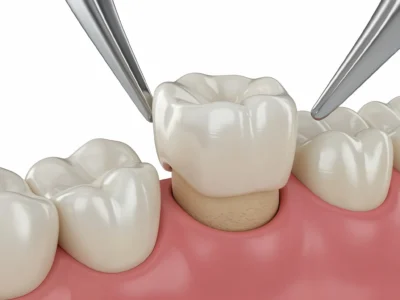
Dental crowns do a quiet kind of heavy lifting. They restore teeth that have been weakened by decay, fracture, or root canal treatment, and when they are made and fitted well, they blend into daily life so completely that many people stop thinking about them. That is usually a good sign. A crown should feel stable, comfortable, and ordinary. What often gets missed is that the tooth underneath and the gum around it still need careful maintenance. A crown is not a shield against plaque, gum inflammation, or recurrent decay at the edge where the restoration meets natural tooth structure.
That edge matters more than most people realize. Crowns do not decay, but the tooth margin they sit on can. If plaque stays packed around the gumline, the area can become irritated, bleed during brushing, and eventually pull away. Once gums recede, the margin of the crown may become exposed, which makes it easier for bacteria to linger and harder to keep the area clean. In a back tooth, the first clue may be a faint odor, food trapping, or tenderness when floss snaps into place. In a front tooth, people often notice cosmetic changes first, especially if the gum starts to look puffy or uneven.
Cleaning around Dental Crowns the right way is not complicated, Dental Crowns but it does require a little more intention than a quick pass with a toothbrush. Technique matters more than force. The best routine is usually the gentlest one that you can perform thoroughly, every single day.
What makes crowns different from natural teeth
A natural tooth is one continuous structure. A crowned tooth is a partnership between restorative material, dental cement, remaining tooth structure, and surrounding gum tissue. That partnership can last many years, but it works best when the crown margin stays clean and the gums remain healthy.
The challenge is that plaque tends to collect in the same places whether a tooth has a crown or not, right along the gumline and between teeth. If the crown shape is slightly bulky, or if it sits next to another restoration, cleaning can become trickier. Molars with crowns often have deeper grooves and tighter contacts, which means food can wedge more easily. Front teeth may look easier to clean, but they can be more sensitive to aggressive brushing because the gum contour is more delicate and cosmetic changes are more obvious.
A lot of people assume a crown should be treated carefully in the sense of leaving it alone. That instinct can backfire. A crown is meant to function like a tooth, and it should be cleaned like one, with attention to the margin. The goal is not to avoid touching it. The goal is to clean it thoroughly without traumatizing the gum or prying at the restoration.
Where problems usually start
Most crown related hygiene problems begin at the gumline. This is where the crown meets the tooth, and where plaque turns into a sticky, mature film if it is not removed consistently. Early on, the signs are subtle. The gum may look a little redder than the neighboring area. You might see a pinpoint of blood when flossing. The crowned tooth may feel fine when chewing, so it is easy to dismiss those signs.
Over time, that mild inflammation can become a pattern. The gum swells slightly, making it harder to fit floss through. More plaque builds up because the area is sore and people tend to avoid it. If the crown margin is exposed or if there is a tiny overhang or rough area, the plaque has an easier place to hold on. That does not always mean the crown is failing. Sometimes it just means the cleaning method needs to improve. Sometimes it means the restoration should be adjusted or polished by a dentist.
The key point is simple: the crown itself is rarely the whole story. The health of the surrounding tissue determines how long it stays comfortable, clean, and serviceable.
The everyday routine that works
A solid routine is not glamorous, but it protects crowns better than any specialty gadget. The people who do best with their crowns usually do the same basic things every day and avoid overcomplicating it.
- Brush twice a day with a soft bristled toothbrush and fluoride toothpaste, angling the bristles toward the gumline rather than scrubbing straight across the tooth.
- Clean between the teeth once a day with floss, interdental brushes, or another tool your dentist has recommended for the shape of your contacts.
- Spend extra time where the crown meets the gum, especially if that area tends to collect stain, trap food, or bleed.
- Rinse with water after sticky or sugary foods if you cannot brush soon after eating.
- Keep regular dental cleanings and checkups so margin changes, cement washout, or recurrent decay can be caught early.
That sequence may sound basic, but consistency does the heavy work. Missing one flossing session is not the issue. Missing the same area most nights for months is.
Brushing around a crown without overdoing it
The best brushing technique around a crown looks gentler than many people expect. Hard scrubbing does not remove plaque more effectively once the bristles splay out. What it does do is irritate the gum, wear away root surfaces, and make sensitivity more likely, especially near older crowns.
Use a soft or extra soft brush head if your gums tend to get tender. Place the bristles partly on the tooth and partly at the edge of the gum, then make small vibrating or circular motions. The movement should be controlled, not vigorous. On the outside of molars, where crowned teeth are common, people often brush too fast and miss the back corner near the cheek. On the inside, especially lower molars, saliva can make plaque feel less obvious even when it is there. Slow down enough to trace the gumline.
Electric toothbrushes can be excellent around Dental Crowns because they do some of the motion for you. For many patients, they reduce the temptation to scrub. The pressure sensor on some models is especially helpful. If the brush is pressing hard enough to blanch the gum tissue, it is too much. Let the bristles sweep the margin instead of forcing them into it.
Toothpaste choice matters less than brushing method, but fluoride is important because the tooth structure at the crown margin can still develop decay. If you have recession near a crown, a toothpaste for sensitivity can help, though it should not replace a proper exam if the sensitivity is new.
Flossing without loosening anything
One of the most common worries is that floss will pull off a crown. With a well fitted crown that is securely cemented, normal flossing should not dislodge it. The problem is usually not floss itself, but technique. Snapping floss hard between tight teeth can hurt the gum and make people feel as if the restoration is being yanked. The better approach is to guide the floss gently through the contact, curve it against one tooth in a C shape, slide it below the gumline, then clean the side of the neighboring tooth the same way.
When removing the floss, many people lift it straight back up through the contact. That is fine in many areas, but if a crown has a shape that tends to catch floss, or if the contact is especially snug, sliding the floss out through the side can be more comfortable. This is a useful trick around crowns that seem to grab fibrous floss repeatedly. If the floss shreds every time in the same spot, that deserves attention. It can mean a rough margin, calculus, or a contour issue that needs professional polishing or evaluation.
Waxed floss often glides more easily around crowns than unwaxed floss. Some patients like PTFE style floss because it slides through very tight contacts with less fraying. There is no prize for using the thinnest or most difficult floss if it discourages you from being thorough. Choose what you will actually use every day.
If you have a bridge supported by crowns, standard floss alone will not clean underneath the false tooth. In that case, a floss threader or a specialized bridge floss is usually needed. That is one of those situations where custom advice from your dentist or hygienist matters because the cleaning path depends on how the bridge was designed.
When interdental brushes are better than floss
Not every space between teeth is best cleaned with floss. If the gums have receded a little, if there are small triangular gaps, or if the crown contours create a broader embrasure, an interdental brush may do a better job. These tiny brushes can be extremely effective because they physically sweep the side surfaces and disturb plaque in areas that floss only touches narrowly.
The size has to be right. Too small, and it slips through without cleaning much. Too large, and it can feel traumatic or bend immediately. A good fit should pass with light resistance, not force. Around posterior crowns, especially where food packs in, a correctly sized interdental brush can make a noticeable difference within a week. People often report less odor, less bleeding, and a cleaner feel between cleanings.
There is some judgment involved here. A tight natural contact on a front crown may still be better suited to floss. A wider space near a lower molar crown may respond far better to an interdental brush. Many people end up using both, depending on the site.
Water flossers, mouthwash, and other helpers
Water flossers can be helpful around crowns, but they are support tools, not magic. They are especially useful for people with limited dexterity, orthodontic appliances, bridgework, or gum pockets where debris tends to lodge. The water stream helps flush out loose material and can reduce inflammation when used consistently. What it does not do as well as mechanical contact is scrape biofilm off a tight tooth surface. For that reason, a water flosser often works best alongside floss or interdental brushes rather than instead of them.
Mouthwash has a place, though not the starring role some advertisements suggest. An alcohol free fluoride rinse can be a reasonable choice if you are cavity prone or have exposed root surfaces around crowned teeth. Antimicrobial rinses can temporarily help with inflamed gums, but if plaque is left physically attached at the margin, rinse alone will not solve the problem. Think of mouthwash as a supplement, not the core routine.
Some people like single tuft brushes for awkward crown margins, especially on the very back molars or near a tilted tooth. They can be excellent in experienced hands because they let you target a narrow area. If standard brushing is already effective, you may not need them. If one crown consistently collects plaque in a spot your regular brush misses, a tufted brush can be worth trying.
Habits that quietly shorten the life of a crown
Crowns often fail slowly, not dramatically. A person may have no pain at all while gum inflammation or recurrent decay develops around the margin. Certain habits raise that risk more than people expect.
Aggressive brushing is high on the list. It creates a false sense of being extra clean while irritating tissue and contributing to recession. So is inconsistent interdental cleaning. Skipping between tooth care around a crowned tooth is a bit like polishing the front door while leaving the frame damp and dirty. The trouble usually starts where the eye does not easily see.
Chewing ice, opening packages with teeth, or clenching heavily can also create problems, although those issues are more about fracture and cement stress than hygiene. Dry mouth deserves special mention too. Saliva buffers acids and helps clear food debris. People who take Dental Crowns multiple medications, breathe through their mouth at night, or have a medical condition that reduces saliva often see more plaque retention and margin decay around crowns. In those cases, the cleaning routine may need to be tighter, and fluoride support becomes more important.
Signs you should not ignore
A crowned tooth does not need to hurt for there to be a problem. Some warning signs are mild enough that people wait months before bringing them up. That delay can turn a simple adjustment into a more involved repair.
Watch for the following:
- Bleeding that happens repeatedly around the same crown despite a week or two of careful cleaning.
- Floss shredding or catching in one exact spot.
- A bad taste, odor, or consistent food trapping near the crowned tooth.
- New sensitivity at the gumline, especially to cold or sweets.
- Any feeling that the crown rocks, clicks, or has changed when you bite.
These signs do not automatically mean the crown needs to be replaced. Sometimes a quick polish, a bite adjustment, or improved home care is enough. But repeated bleeding, persistent catching, or movement should never be filed under normal.
What cleaning should feel like after a new crown
A newly placed crown often comes with a short adjustment period. The gum may be mildly tender for a few days, especially if the area was worked on deeply or if a temporary crown was worn beforehand. During that window, some people clean too timidly because they are afraid of disturbing the new restoration. It is better to be gentle but not avoidant. Plaque can accumulate fast around a healing gum margin.
If floss feels extremely tight right after placement, it may simply reflect a snug contact, which is usually preferable to food trapping. If the floss cannot pass at all, or if it frays badly from day one, call the dental office rather than struggling with it for weeks. A small contour issue is easier to correct early.
A bite that feels slightly different after anesthesia wears off should also be monitored. If the crowned tooth feels high, people often unconsciously avoid brushing and chewing on that side. That can set up tenderness and plaque buildup. A simple bite adjustment can make a big difference in comfort and long term hygiene.
The gumline is the real maintenance zone
If there is one place to focus your attention around Dental Crowns, it is the gumline. Not the chewing surface, which usually gets the most brushing pressure. Not the bright visible front face of the tooth, which tends to get the most mirror time. The critical zone is the narrow line where restoration, tooth, and gum meet.
That is where plaque likes to sit undisturbed. That is where bleeding starts if you are missing the area. That is where recurrent decay can quietly develop. And that is why two people with the same type of crown can have very different outcomes over ten years. The difference is often not the material. It is the daily care at the margin.
People who keep that area clean usually notice practical benefits beyond just avoiding dental work. Their gums look calmer. Their breath stays fresher. The crown feels more like part of the mouth and less like a site that needs to be monitored. The best crown is the one you barely think about because your cleaning routine has made it uneventful.
A few real world adjustments for common situations
Crowns on back molars usually need the most deliberate positioning of the toothbrush. Turning the brush slightly and opening only halfway often helps you reach the cheek side of upper molars and the tongue side of lower molars. Many patients rush these spots because they are awkward. Slowing down there pays off.
Crowns near the front can be more sensitive to aesthetics. If the gum around one front crown looks fuller or redder than the same tooth on the other side, that asymmetry is worth attention even if there is no pain. Small changes show up quickly in the smile zone.
If you wear a night guard, clean it regularly. A guard covered in plaque and saliva residue puts those materials right back against your teeth and restorations for hours. It is a small point, but it matters in mouths that are already prone to inflammation.
For older adults, dexterity can become the deciding factor. Arthritis, tremor, and reduced grip strength can turn a good routine into a frustrating one. In those cases, a larger handled brush, floss holder, or water flosser may not be convenience items at all. They may be the reason the crown stays healthy.
When professional help makes the difference
Home care is the foundation, but there are limits to what you can manage on your own. If a crown margin is rough, open, overcontoured, or leaking, no amount of perfect brushing will fully compensate. The same is true if tartar has formed just under the gumline where home tools cannot reach effectively. Professional cleanings remove the deposits that keep inflammation going, and regular exams give your dentist a chance to spot early changes before they become expensive ones.
It is also worth asking for technique feedback instead of just product recommendations. A hygienist who watches how you brush and floss for thirty seconds can often identify the exact reason one crown keeps bleeding. Sometimes the fix is as small as changing the floss angle or switching to a narrower interdental brush.
Crowns can last a long time. Ten to fifteen years is a familiar range often mentioned in practice, and many go longer, but longevity depends on the original fit, bite forces, diet, saliva, and home care. The people who get the most out of their restorations tend to do the ordinary things well. They brush gently, clean between the teeth consistently, pay attention to changes, and get small issues checked before they grow.
Cleaning around a crown the right way is not about treating it like a fragile object. It is about treating it like an important restored tooth with one vulnerable boundary. Respect that boundary, keep the gumline clean, and most crowns will reward you with years of quiet service.
Simple Dental Vermont
Address: 8914 S Vermont Ave, Los Angeles, CA 90044
Phone number: +13239493000
FAQ About Dental Crowns
How much do crowns cost per tooth?
In the United States, a single dental crown typically costs between $800 and $2,500 per tooth without insurance. The ultimate out-of-pocket price depends heavily on the crown material, the location of the tooth, and whether you have dental insurance coverage.
What is the downside of crowns on teeth?
The primary downside of a dental crown is that the procedure permanently removes natural tooth enamel to shape the tooth for the cap.
Why do dentists push for crowns?
Dentists recommend crowns because a large filling cannot provide enough strength when a tooth loses a major portion of its structure or faces heavy chewing pressure.