Dental Crowns Los Angeles CA for Lasting Tooth Protection

A well-made dental crown does one job exceptionally well. It protects a tooth that can no longer reliably protect itself. That may sound simple, but in practice, crowns sit at the crossroads of function, appearance, long-term oral health, and everyday comfort. When a tooth has been weakened by a large filling, a fracture, decay, grinding, or root canal treatment, a crown often becomes the difference between preserving that tooth and eventually losing it.
For patients searching for Dental Crowns Los Angeles CA, the decision usually starts with a practical concern. Something does not feel right. Maybe a back tooth hurts when chewing. Maybe an old filling cracked and the tooth now catches food. Maybe a front tooth darkened after trauma and no longer matches the rest of the smile. Crowns address all of those issues, but the best outcome depends on more than placing a cap over a tooth. The shape, material, fit, bite, and preparation all matter, and so does the judgment behind the treatment plan.
Los Angeles patients often balance dental health with a fast schedule and high expectations for aesthetics. That changes the conversation. People want strong restorations, but they also want them to look natural on camera, feel comfortable in meetings, and last long enough to justify the investment. Those are reasonable expectations, and a properly planned crown can meet them.
What a dental crown actually does
A crown covers the visible portion of a tooth above the gumline. It is custom made to restore the tooth’s shape, strength, and function. If the remaining tooth structure is too damaged to hold a filling safely, a crown distributes chewing forces across the tooth and reduces the risk of further breakage.
That sounds straightforward, but the real value of a crown lies in what it prevents. A cracked cusp can become a split tooth. A heavily filled molar can fracture below the gumline. A root canal treated tooth can become brittle enough to fail under normal bite pressure. Crowns do not make teeth indestructible, but they often buy years of useful life when the alternative is a much bigger repair.
In clinical practice, one of the clearest examples is the large old silver filling. Many adults still have restorations placed years ago that did their job well for a long time. Eventually, the surrounding tooth structure weakens. Tiny fracture lines may form, and the edges no longer seal as tightly as they once did. At that stage, replacing another large filling may not be the conservative option it appears to be. A crown may preserve more predictability because it supports the entire tooth rather than patching a failing center.
When a crown makes sense, and when it may not
Not every damaged tooth needs a crown. A small cavity can often be treated with a bonded filling. A cosmetic concern may respond better to whitening, bonding, or veneers. The key question is not whether a crown can be placed, but whether it is the most responsible treatment for the amount of remaining tooth structure.
A crown is commonly recommended when a tooth has lost enough structure that a filling would have poor retention or create a high risk of fracture. This is especially true for molars and premolars, which absorb heavy chewing forces. Crowns are also common after root canal therapy, particularly on back teeth. Once a tooth no longer has a healthy internal blood supply, it can become more brittle over time. Covering it can dramatically improve its survival.
There are also situations where a crown may be premature. If decay extends too far below the gumline, if the tooth has a vertical root fracture, or if severe gum and bone loss make the tooth unstable, a crown may not solve the underlying problem. In those cases, the better choice might be periodontal treatment, crown lengthening, retreatment of a root canal, or extraction followed by an implant or bridge. Good dentistry is not about placing the most sophisticated restoration. It is about choosing the option that has a realistic chance of lasting.
The materials matter more than most patients realize
Patients often ask which crown material is best. The truthful answer is that it depends on the tooth, the bite, cosmetic priorities, and how much space exists between the upper and lower teeth. There is no universal winner.
Porcelain or ceramic crowns are popular because they can look remarkably natural. On front teeth, the ability to mimic translucency and subtle color variation can make a major difference. Modern ceramics have improved a great deal, and many provide enough strength for back teeth as well, especially when designed appropriately.
Zirconia crowns have become common because they are strong and often allow for a more conservative approach. They are useful in heavy-bite patients and on molars where durability matters. The trade-off is that some zirconia restorations can look a bit more opaque than layered ceramics, though this depends on the type used and the skill of the lab.
Porcelain-fused-to-metal crowns still have a place. They combine a metal substructure with a porcelain exterior. They have a long track record, but over time some patients notice a dark line near the gum if the tissue recedes. For highly visible areas, that can be a drawback.
Gold or high noble metal crowns are still respected by many experienced dentists, especially for far-back molars. They wear predictably and can be exceptionally durable. The obvious limitation is appearance. In Los Angeles, where patients often prioritize aesthetics, gold is chosen less often than it once was, but in the right case it remains one of the most tooth-friendly materials available.
Why the fit and bite are as important as the material
A beautiful crown that fits poorly is a problem waiting to happen. A crown must sit flush against the tooth margin to reduce the risk of recurrent decay and gum irritation. It also needs proper contact with adjacent teeth so food does not pack between them. Then there is the bite, which is where even small errors become very noticeable.
If a crown is too high, the patient usually knows quickly. The tooth may feel sore when biting, or the jaw may begin to compensate in ways that create muscle tension. If the crown is too flat or too light in contact, chewing may feel awkward and the neighboring teeth may carry more force than they should.
This is one reason temporary crowns matter more than people think. A temporary is not just a placeholder. It protects the prepared tooth, stabilizes the gumline, gives the patient a preview of contour and function, and helps the dentist spot issues before the final crown is cemented. If a patient says, “It feels bulky near my tongue,” or “Food keeps trapping here,” that feedback is valuable. It can improve the final result.
The process from consultation to placement
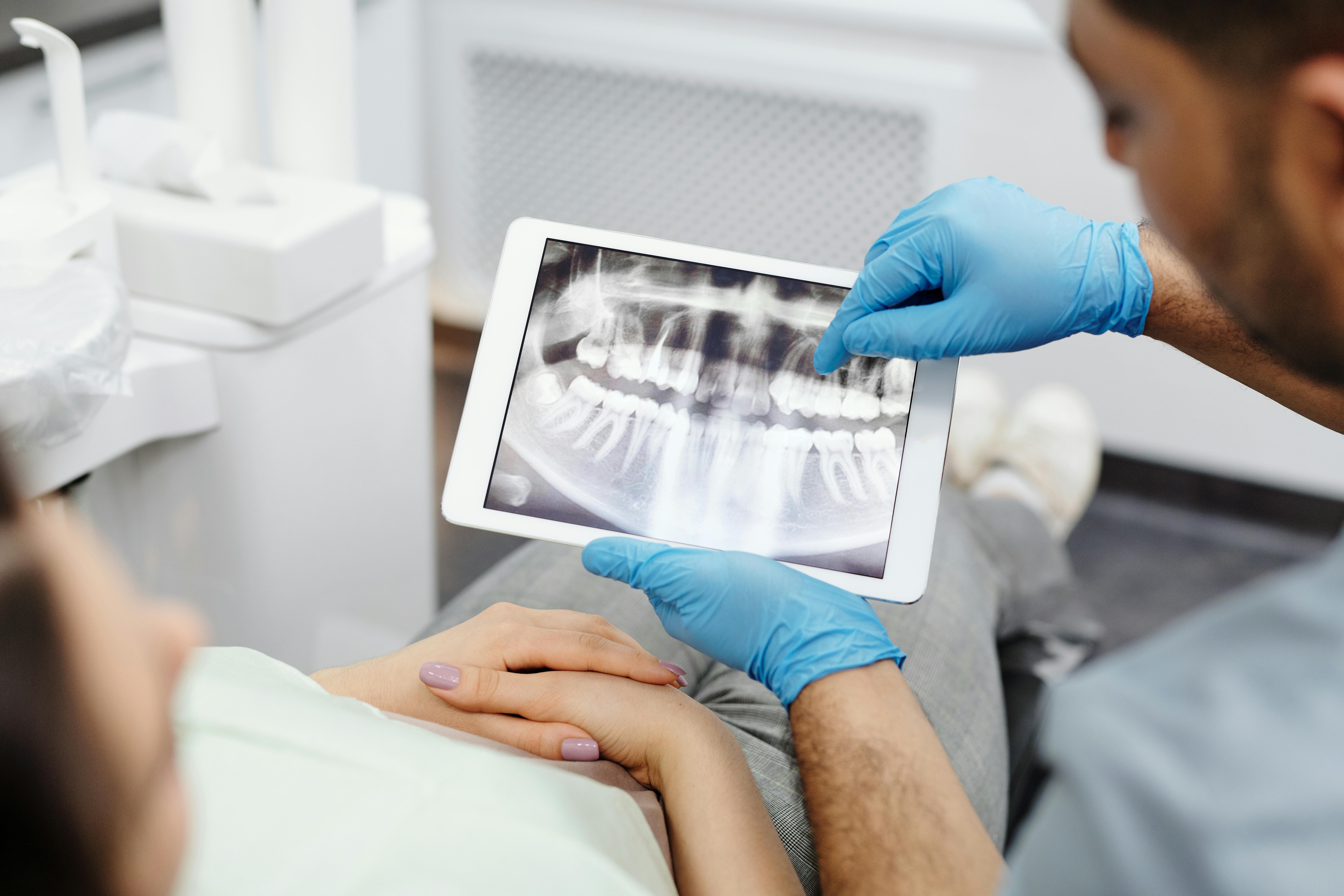
The crown procedure usually takes two visits, though some offices offer same-day technology for selected cases. The first visit begins with evaluation. The dentist checks the tooth, reviews X-rays, and determines whether the tooth is healthy enough to restore. If decay is deep, if the nerve is inflamed, or if cracks extend in a concerning pattern, the treatment plan may change.
Once a crown is confirmed as the right treatment, the tooth is shaped to create room for the material. This step is more precise than it appears from the chair. Enough structure must be removed so the crown is not too bulky, but the dentist also wants to preserve as much healthy tooth as possible. If the tooth is severely broken down, a core buildup may be needed to support the crown. In some cases, a post is placed inside a root canal treated tooth, though posts are not routine and should not be used without a clear reason.
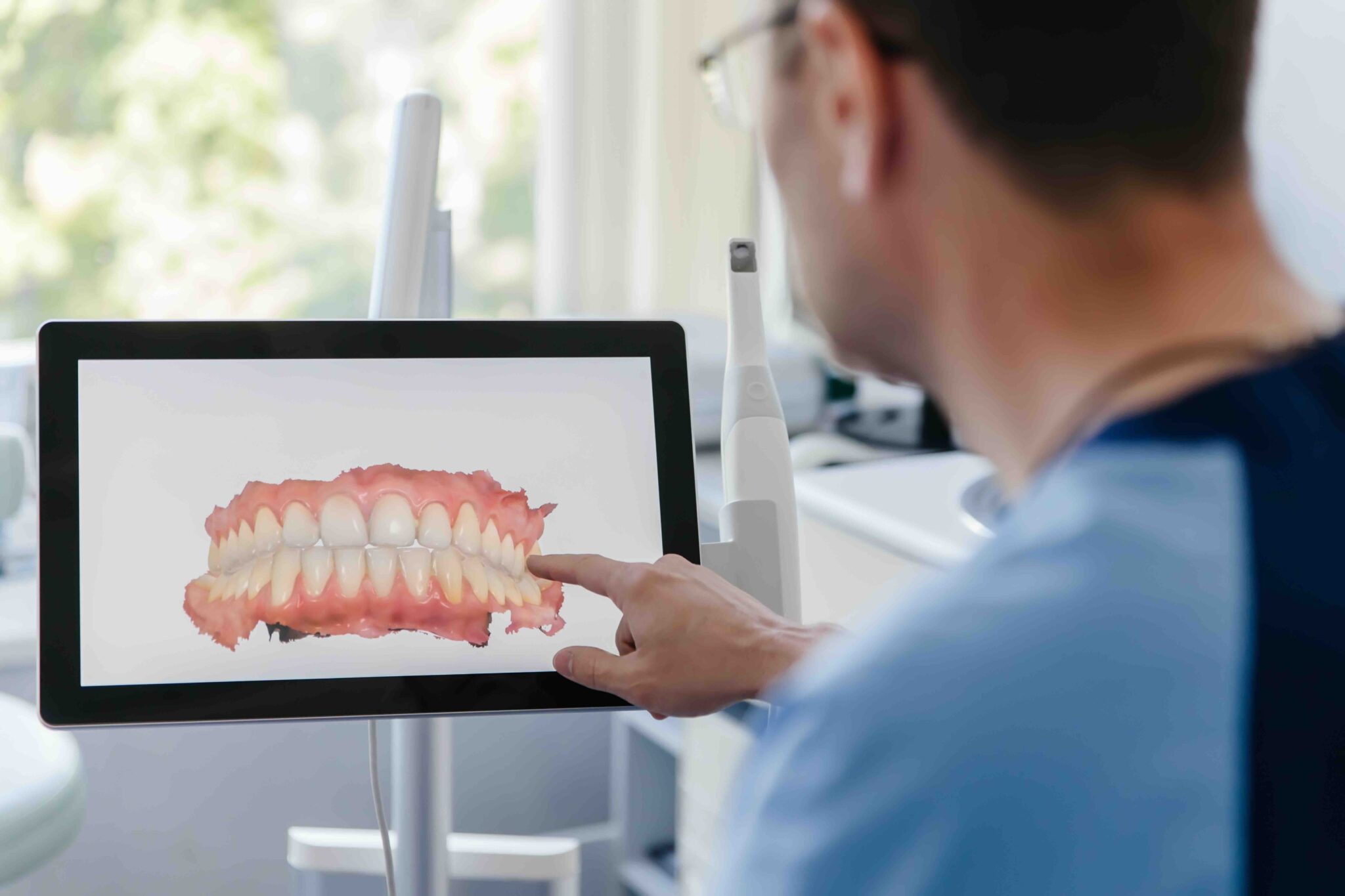
After preparation, the office captures an impression, either digitally or with traditional materials. The shade is selected, and a temporary crown is placed. At the second appointment, the final crown is tried in, evaluated for fit and appearance, adjusted as needed, and cemented or bonded.
Same-day crowns can be convenient, especially for busy professionals. They eliminate the temporary phase and reduce time away from work. Still, convenience should not be confused with superiority. Some same-day restorations are excellent. Others benefit from the detail and artistry of a high-quality dental lab. For front teeth in particular, many dentists still prefer a custom lab-fabricated crown when appearance is critical.
The aesthetic side of crowns in a city like Los Angeles
Cosmetic expectations tend to be high in Los Angeles, and dentistry reflects that. Patients are often aware of tooth shade, smile symmetry, gum contours, and how restorations look under bright light or on video. A crown on a front tooth is not just a structural repair. It is part of a highly visible facial feature.
That raises the standard. Matching one front tooth to the neighboring natural teeth can be surprisingly difficult. Natural teeth are not one solid color. They have depth, translucency, texture, and tiny imperfections that make them believable. A crown that is too white, too flat, or too opaque may stand out, even if technically well made.
The best cosmetic crown cases usually involve careful communication between the dentist and the laboratory. Shade photos, notes about surface texture, and attention to the patient’s smile line all help. Sometimes a patient arrives asking for a crown because they dislike the way a tooth looks, only to learn that a veneer, internal bleaching, or selective bonding might preserve more tooth structure with a better aesthetic result. That kind of restraint is a good sign. It shows the treatment is being guided by judgment rather than routine.
Longevity, and what really affects it
Patients often ask how long crowns last. A fair answer is that many last well over a decade, and some last much longer, but there is no expiration date stamped on a restoration. Longevity depends on the original condition of the tooth, the quality of the crown, oral hygiene, bite forces, grinding habits, and whether decay develops around the margins.
A crown can fail for several reasons. The cement seal can break down over time. Decay can form where the crown meets the natural tooth. The tooth underneath can crack. Gum recession can expose margins. In heavy grinders, ceramics may chip or opposing teeth may wear in ways that change the bite.
One pattern seen often is the patient who assumes that because a tooth has a crown, it no longer needs special attention. In reality, crowned teeth require excellent brushing and flossing, especially where the margin meets the gumline. The crown itself cannot decay, but the tooth underneath still can. When recurrent decay creeps under a crown, patients are often surprised because there may be little warning until the damage is advanced.
Nightguards are another practical consideration. For patients who clench or grind, especially during sleep, a custom nightguard can protect both natural teeth and crowns from excessive stress. It is not glamorous, but it is one of the most cost-effective ways to extend the life of dental work.
Cost, value, and the temptation to delay
Crowns are not inexpensive, and patients are right to ask questions about value. Fees in Los Angeles vary based on material, case complexity, location, technology, and whether additional treatment is needed beforehand. If a tooth requires root canal treatment, a buildup, or gum treatment before the crown, the total cost rises.
The more useful question is not whether a crown costs money, but what delay is likely to cost. A tooth that can be restored today with a crown may become a root canal case six months later. A cracked tooth can progress to a non-restorable fracture. At that point, the patient may be looking at extraction, bone grafting, and an implant, which usually costs more and takes longer.
That does not mean every crown recommendation is urgent. Some situations can be monitored safely for a period of time. The deciding factors are symptoms, crack patterns, structural loss, and how predictable the tooth is without full coverage. Patients deserve an honest explanation of both the risks of waiting and the reasons why immediate treatment simpledentalca.com Dental Crowns Los Angeles CA may or may not matter.
How to tell if a crown may be needed soon
A few signs tend to show up before a tooth fails completely. None are perfect on their own, but together they often point to a tooth that deserves prompt evaluation.
- Pain or sensitivity when biting down, especially on one side of the tooth.
- A large filling with visible cracks, staining, or pieces breaking away.
- A tooth that had root canal treatment and now feels weak or hollow.
- Repeated loss of filling material from the same tooth.
- A broken tooth that still has enough root and surrounding support to be saved.
Some patients ignore these signals because the pain is intermittent. That is a mistake I have seen many times. Teeth often give partial warnings before they fail in a more expensive way.
Crowns versus other restorative choices
Patients comparing treatment options often hear crowns mentioned alongside fillings, onlays, veneers, bridges, and implants. These are not interchangeable, even if they can seem similar from a distance.
A filling replaces a smaller portion of missing tooth structure. It is conservative and often ideal when enough healthy enamel remains. An onlay covers more of the chewing surface and can be a smart middle ground when the tooth needs more support than a filling can provide, but does not need full circumferential coverage. Veneers are primarily cosmetic and cover the front-facing surface of a tooth. Bridges replace missing teeth by anchoring to neighboring teeth, often with crowns on each side. Implants replace the root and crown of a tooth that has already been lost or must be extracted.
What matters is preserving options. A dentist who recommends a crown should be able to explain why a filling or onlay would be less predictable, not simply why a crown can be done. In strong treatment planning, the rationale is clear.
Choosing a provider for Dental Crowns Los Angeles CA
When patients look for Dental Crowns Los Angeles CA, they often compare reviews, location, availability, and cost. Those factors matter, but they should not be the whole filter. Crown work is technique-sensitive. Small details that patients cannot see during the appointment can affect how the crown functions for years.
It helps to look for a practice that takes time with diagnosis, explains alternatives, and discusses material choice in relation to your bite and cosmetic goals. Photos of actual cases can be helpful, especially for visible teeth. So can a clear explanation of what happens if the tooth needs additional treatment after the crown process begins.
A rushed appointment is rarely a good sign for restorative work. Neither is a one-size-fits-all recommendation. A patient who grinds heavily, drinks acidic beverages daily, and has recession around the tooth needs a different conversation than a patient with a simple fracture on a healthy premolar. Good crown dentistry feels individualized because it is.
Aftercare that protects the investment
Once a crown is placed, patients usually adapt quickly. Mild tenderness near the gums or slight sensitivity for a short period is not unusual, especially if the tooth had significant work beforehand. Persistent pain, pressure when biting, or a strange bite relationship should be checked rather than tolerated.
Daily care is straightforward but important. Brush along the gumline thoroughly. Floss carefully but consistently. Keep regular recall visits so margins, gum health, and bite stability can be monitored. If a crown ever feels loose, do not wait. A loose crown can sometimes be recemented if addressed early, but delay can lead to decay or structural damage underneath.
The foods that cause trouble are usually predictable. Hard ice chewing, popcorn kernels, unpopped seeds, and using teeth as tools to open packaging all shorten the life of restorations. Those habits also damage natural teeth, but crowns often reveal the problem first because they bear heavy force at vulnerable edges.
There is also an adjustment period that patients do not always expect. A tooth restored properly after years of being cracked or uneven may feel different simply because it is now functioning as it should. That distinction matters. Different does not necessarily mean wrong. Sharp pain, rocking, or inability to chew normally are signs to return. A mild sense of awareness that fades over days is common.
The bigger picture of tooth preservation
Crowns are sometimes framed as routine dental work, but the better way to see them is as part of long-term tooth preservation. They are not glamorous, yet they often prevent a cascade of larger problems. Saving a natural tooth that still has a healthy root, stable bone support, and a good prognosis is usually worth serious effort.
The strongest crown is not the one marketed with the flashiest material name. It is the one placed on the right tooth, for the right reason, with careful preparation, a stable bite, and realistic expectations. For patients in Los Angeles, where convenience, aesthetics, and performance all matter, that balance is especially important.
A crown should protect, blend, and hold up under ordinary life. You should be able to chew on it without thinking about it, smile without noticing it, and keep it healthy with the same disciplined habits that protect the rest of your mouth. When those pieces line up, a crown does exactly what it is supposed to do. It gives a compromised tooth another solid chapter instead of an early ending.
Simple Dental Vermont
Address: 8914 S Vermont Ave, Los Angeles, CA 90044
Phone number: +13239493000
FAQ About Dental Crowns Los Angeles CA
How much do crowns cost per tooth?
In the United States, a single dental crown typically costs between $800 and $2,500 per tooth without insurance. The ultimate out-of-pocket price depends heavily on the crown material, the location of the tooth, and whether you have dental insurance coverage.
What is the downside of crowns on teeth?
The primary downside of a dental crown is that the procedure permanently removes natural tooth enamel to shape the tooth for the cap.
Why do dentists push for crowns?
Dentists recommend crowns because a large filling cannot provide enough strength when a tooth loses a major portion of its structure or faces heavy chewing pressure.