Comparing Types of Dental Crowns in Los Angeles CA
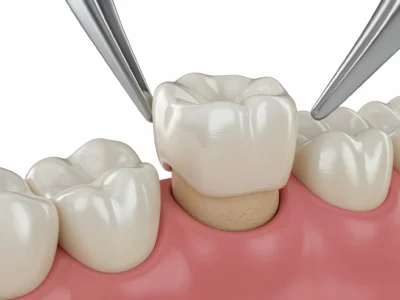
A dental crown looks simple from the outside. It is a tooth-shaped covering that restores a damaged tooth, protects it from further breakdown, and helps you chew comfortably again. In practice, choosing the right crown is rarely simple, especially in a city like Los Angeles, where patients often care about both function and appearance, and where treatment costs can vary widely from one neighborhood to the next.
People usually start the process with one straightforward question: which crown is best? The honest answer is that the best crown depends on where the tooth sits, how hard you bite, whether you grind at night, what your budget looks like, and how much the color of the restoration matters to you. A crown on a lower molar for a heavy grinder is a different decision from a crown on a front tooth for someone who works on camera. That is why comparing types of dental crowns in Los Angeles CA is less about naming a winner and more about matching the material to the person.
Why the material matters more than most patients expect
Crowns do several jobs at once. They reinforce weakened tooth structure, seal a tooth after a root canal, replace a large failing filling, support a dental bridge, or restore a dental implant. To do that well, the material has to tolerate force, resist wear, fit precisely, and look believable in the mouth.
One of the most common misunderstandings is that all crowns have the same lifespan. They do not. Longevity depends on the crown material, the quality of the tooth underneath, the way the bite comes together, and daily habits. A beautifully made crown can still fail early if the underlying tooth cracks, if decay develops around the margin, or if a patient clenches every night without a night guard.
In Los Angeles, cosmetic expectations also shape the conversation. Patients frequently ask for restorations that disappear in natural light, in photos, and under close conversation. That usually pushes the discussion toward ceramic options, but strength still matters, especially on back teeth. A good dentist does not sell one material for every situation. They weigh appearance, durability, and risk.
Porcelain fused to metal crowns, dependable but less popular than they once were
For many years, porcelain fused to metal crowns were the standard. These crowns have a metal substructure for strength and a porcelain outer layer for tooth-like appearance. They remain a viable option, and in some cases they are still a smart one.
Their biggest advantage is the balance between durability and cost. On molars and premolars, a porcelain fused to metal crown can hold up well under chewing forces. Dentists also have a long clinical history with them, which matters. A material does not need to be trendy to be reliable.
The drawbacks tend to Dental Crowns Los Angeles CA show over time. The porcelain layer can chip, especially in patients with a heavy bite. If the gum line recedes, a dark metal edge may become visible near the margin. That can be a cosmetic issue, particularly on upper teeth that show when you smile. Some patients also dislike the slightly more opaque appearance compared with newer all-ceramic materials.
In a Los Angeles practice where aesthetics are often front and center, porcelain fused to metal crowns have become less common for visible front teeth. They are still used, but far less often than before. On less visible posterior teeth, they can still make practical sense for someone who wants a tried-and-true solution without paying for a premium cosmetic material.
All-ceramic and all-porcelain crowns, favored for front teeth and natural esthetics
When patients say they want a crown that looks like a real tooth, they are often talking about an all-ceramic or all-porcelain crown. These restorations do not contain a metal core, which allows light to pass through the material in a way that more closely resembles enamel.
For front teeth, that difference matters. A natural incisor is not one flat color. It has translucency at the edge, subtle variation in brightness, and a certain depth that the eye picks up immediately, even if you cannot explain it. A well-made ceramic crown can replicate much of that. In the right hands, it can blend so naturally that even family members have trouble identifying which tooth was restored.
The trade-off is strength, though this depends on the ceramic type. Older porcelain systems could be more fragile, especially in patients who bite edge to edge or grind. Modern ceramics have improved considerably, but material selection still matters. Not every ceramic belongs on every tooth.
Another practical point is tooth reduction. Some ceramic systems require enough space to create both strength and natural contour. If a tooth is already small or if a person has a very tight bite, the dentist has to plan carefully. Esthetics are not just about color. They are also about shape, emergence profile, gum harmony, and how the crown reflects light next to neighboring teeth.
Zirconia crowns, the workhorse for strength
Zirconia changed the crown conversation. It is a very strong ceramic material that has become especially popular for back teeth and for patients with heavy chewing forces. If someone has cracked fillings repeatedly, clenches under stress, or wears through restorations, zirconia often enters the discussion early.
Its main appeal is durability. Zirconia crowns can tolerate substantial force, which makes them a common choice for molars. Many dentists also like zirconia because it can be milled digitally with good precision. In practices using same-day technology, certain zirconia crowns can be designed, milled, and delivered in one visit, though many cases still benefit from a lab-fabricated restoration.
Older zirconia had an aesthetic limitation. It was strong, but sometimes too opaque, especially for front teeth. Newer translucent zirconia improved the appearance, and for some patients it works well even in visible areas. Still, if the case demands the highest level of natural translucency, many cosmetic dentists prefer other ceramics for upper front teeth.
There is another nuance that often gets overlooked. Strength alone does not make a crown ideal. Zirconia can be unforgiving if the bite is poorly adjusted. A hard material with a high spot can create problems for the opposing tooth, the jaw joint, or the crown itself. Proper polishing and bite refinement are not small details. They are part of whether the crown actually succeeds.
E.max and lithium disilicate crowns, a strong aesthetic middle ground
Lithium disilicate, commonly known by the brand name E.max, occupies a useful space between beauty and strength. It is often the crown material of choice for patients who want a highly esthetic result but still need a restoration with respectable durability.
For front teeth and many premolars, it performs very well. The material can be layered or stained in ways that produce an excellent cosmetic match. In real practice, this often matters more than a brochure suggests. Matching one front crown to neighboring natural teeth is one of the hardest jobs in restorative dentistry. Materials like lithium disilicate give the dentist and lab more artistic flexibility.
For molars, the decision is more selective. Some dentists place lithium disilicate on molars routinely, while others reserve it for patients with a stable bite and no history of heavy grinding. That difference is not necessarily a sign that one dentist is right and another is wrong. It usually reflects judgment based on the specific patient.
This is one place where experience shows. If a patient has broad wear facets, fractured cusps, enlarged chewing muscles, and morning jaw soreness, a dentist may steer them away from a more delicate esthetic material in the back of the mouth, even if it looks beautiful.
Full metal crowns, still unmatched in certain high-stress cases
Metal crowns are easy to dismiss because they do not look like natural teeth. Yet clinically, they remain one of the most durable crown options available. Gold alloys in particular have a long history of excellent performance.
A full metal crown requires less removal of tooth structure than many other crown types, which is a major advantage. Preserving healthy tooth matters. The less tooth that has to be drilled away, the better the long-term outlook tends to be. Metal also wears in a way that is generally kind to the opposing tooth when properly adjusted.
So why do fewer people choose them? Mostly because of appearance. In a city as image-conscious as Los Angeles, very few patients want a visible gold or metal restoration unless the tooth sits far in the back. Even then, many prefer a tooth-colored option.
Still, for a second molar that hardly shows, for a patient who breaks ceramic restorations, or for someone who values function over cosmetics, a metal crown can be an excellent solution. It is not fashionable, but it often performs.
Resin crowns and temporary options, useful but rarely the long-term answer
Resin-based crowns and provisional crowns have a place in treatment, but they are not usually the crown you want to rely on for many years. Temporary crowns are often made from acrylic or composite-like materials while the final crown is being fabricated. They protect the tooth, maintain spacing, and give the patient something functional and presentable in the interim.
These materials can look decent for a short period, but they wear down more quickly, stain more easily, and fracture more readily than definitive ceramics or metals. In some budget-driven cases, a dentist may discuss a lower-cost resin restoration, but that conversation should be clear-eyed. Lower upfront cost can translate into earlier replacement.
Patients searching for Dental Crowns Los Angeles CA sometimes focus first on price, which is understandable. But a crown that has to be remade in a few years is not necessarily cheaper in the long run. Value comes from fit, material suitability, and how long the restoration serves you without trouble.
What drives cost differences in Los Angeles
Los Angeles is not one dental market. Fees in Santa Monica, Downtown, Pasadena, Beverly Hills, the Valley, and East Los Angeles can differ for reasons that have little to do with the crown itself. Office overhead, lab partnerships, digital technology, specialist involvement, and the complexity of the case all affect price.
A crown fee may include the exam, X-rays, core buildup, temporary crown, digital scan, final cementation, and follow-up adjustments, or some of those may be separate. That is why comparing price quotes can be misleading unless you know what is included.
Material also influences cost. High-esthetic layered ceramics typically cost more than simpler restorations. A same-day milled crown may save time, but whether it costs less depends on the practice model. Insurance can reduce out-of-pocket expense, though many plans cover crowns only in specific circumstances and often reimburse at a fixed percentage after the deductible.
Patients are often surprised by how much laboratory skill matters to the final fee. A front crown made by a top ceramist, someone who can capture subtle color transitions and natural translucency, costs more because that work is technical and artistic. When the tooth is in the center of your smile, that craftsmanship can be worth it.
Matching the crown to the tooth, not just the budget
The material that looks best on paper may not be the best choice in your mouth. This is where the location of the tooth becomes central.
For front teeth, appearance is usually the priority, though bite force still matters. On these teeth, all-ceramic or lithium disilicate crowns are often strong candidates because Dental Crowns Los Angeles CA they can mimic natural enamel so convincingly.
For premolars, the choice is more balanced. These teeth sit in a visible zone but also absorb significant chewing force. Depending on the person, zirconia or lithium disilicate may both make sense.
For molars, especially in patients with heavy bites, zirconia or even metal can be the safer long-term answer. A material that is slightly less lifelike but substantially stronger may be the wiser investment on a tooth that does most of the grinding.
Here is a practical way to think about it:
- Choose appearance-first materials for highly visible teeth where shade match is critical.
- Choose strength-first materials for back teeth under heavy chewing load.
- Choose conservative options when preserving remaining tooth structure is a top priority.
- Choose based on bite habits, especially if you clench, grind, or have fractured teeth before.
- Choose with the lab and dentist’s skill in mind, because execution matters as much as material.
The role of digital dentistry and same-day crowns
Los Angeles practices often advertise same-day crowns, and for many patients that is an appealing option. The process usually involves a digital scan, computer-aided design, and in-office milling. It can eliminate gooey impressions and reduce treatment from two visits to one.
That convenience is real, but it should not be mistaken for automatic superiority. Some same-day crowns are excellent. Others are chosen mainly for speed. Complex cosmetic cases, difficult shade matching, and certain bite situations may still benefit from a traditional laboratory workflow, where a skilled ceramist has more time to refine anatomy and color.
If the tooth is a lower molar and the main priority is efficient, durable restoration, same-day zirconia or ceramic may be ideal. If the tooth is an upper front central incisor and the neighboring teeth have subtle character, a custom lab-made crown may produce a better result. Technology is a tool, not a guarantee.
Common situations that change the recommendation
A crown plan often shifts once the dentist sees the full picture. Root canal treated teeth, for example, are more brittle and may need stronger reinforcement. Teeth with deep cracks can fail even after crowning if the crack extends too far below the gum or into the root. Implant crowns bring different considerations because there is no natural tooth root beneath them, and the way force travels through the restoration is different.
Gum health matters too. A patient with inflamed gums or active periodontal disease may need stabilization before a final crown is placed. If the gums are changing, the margin can end up exposed or the fit can become harder to maintain.
Night grinding is another major variable. Some of the most disappointing crown failures happen not because the material was bad, but because an undiagnosed grinder received a beautiful restoration and no night guard. Months later, the crown chips or the neighboring teeth wear down. Material choice helps, but force management is often the bigger issue.
How dentists decide between crown types in real practice
The decision is usually a layered one, not a single yes-or-no judgment. A dentist examines the amount of remaining tooth, where the margin will sit, how much clearance exists between upper and lower teeth, whether the tooth is alive or root canal treated, what the adjacent teeth look like, and how the patient uses their teeth day to day.
A patient who sips coffee all morning, clenches through traffic, and has already cracked two molars tells a different story from a patient with a stable bite and pristine enamel. A younger patient may also have larger pulp chambers, which affects how aggressively the tooth can be prepared. An older patient may have more wear, recession, or root exposure, which changes esthetic planning.
This is why short online answers can be misleading. People naturally want a simple ranking of materials, but the same material can be excellent in one mouth and a poor choice in another.
Questions worth asking before you commit
A good crown consultation should leave you with a clear rationale, not just a price.
- Why is this specific material recommended for this tooth?
- How will it look compared with the neighboring teeth?
- How long is it expected to last in my bite situation?
- Will I need a buildup, root canal, or night guard as part of the plan?
- Is the crown made in-office or by an outside dental lab?
These questions often reveal more than the fee alone. They help you understand whether the recommendation is generic or tailored.
What patients in Los Angeles should weigh most carefully
When people search for Dental Crowns Los Angeles CA, they usually compare offices based on reviews, cost, and convenience. Those factors matter, but they should not overshadow the quality of diagnosis and planning. A crown is not just a product. It is part of a biological system that includes the tooth, gum, bone, bite, and patient habits.
The best outcomes usually come from a dentist who explains trade-offs plainly. If your front tooth needs the most lifelike result possible, that should be said. If your back molar is taking punishing force and a stronger, less delicate material is the safer choice, that should also be said. Good treatment planning often sounds less like a sales pitch and more like measured reasoning.
It is also worth paying attention to how the office handles follow-up. Bite adjustments after crown placement are common and important. A crown can look perfect and still feel wrong if the occlusion is slightly high. Offices that expect to refine and revisit the restoration tend to produce more comfortable, longer-lasting results.
The crown that fits your life
There is no universal best crown, only the crown that best fits your tooth, your bite, your goals, and your budget. Porcelain fused to metal crowns still have value, especially where cost and durability need to meet in the middle. All-ceramic and lithium disilicate crowns shine when natural beauty is the priority. Zirconia has earned its place as a durable solution for many back teeth and higher-force cases. Full metal crowns remain one of the most durable options available, even if few patients choose them for cosmetic reasons.
For anyone comparing Dental Crowns Los Angeles CA, the smartest move is to look beyond the material name itself. Ask why that material suits your case. Ask what compromises come with it. Ask what habits may shorten its lifespan. A well-chosen crown should not simply fill a space where a tooth was damaged. It should restore confidence when you chew, speak, and smile, without making you think about it much at all. That is usually the sign that the choice was the right one.
Simple Dental Vermont
Address: 8914 S Vermont Ave, Los Angeles, CA 90044
Phone number: +13239493000
FAQ About Dental Crowns Los Angeles CA
How much do crowns cost per tooth?
In the United States, a single dental crown typically costs between $800 and $2,500 per tooth without insurance. The ultimate out-of-pocket price depends heavily on the crown material, the location of the tooth, and whether you have dental insurance coverage.
What is the downside of crowns on teeth?
The primary downside of a dental crown is that the procedure permanently removes natural tooth enamel to shape the tooth for the cap.
Why do dentists push for crowns?
Dentists recommend crowns because a large filling cannot provide enough strength when a tooth loses a major portion of its structure or faces heavy chewing pressure.